Garden Maintenance in Fitzrovia

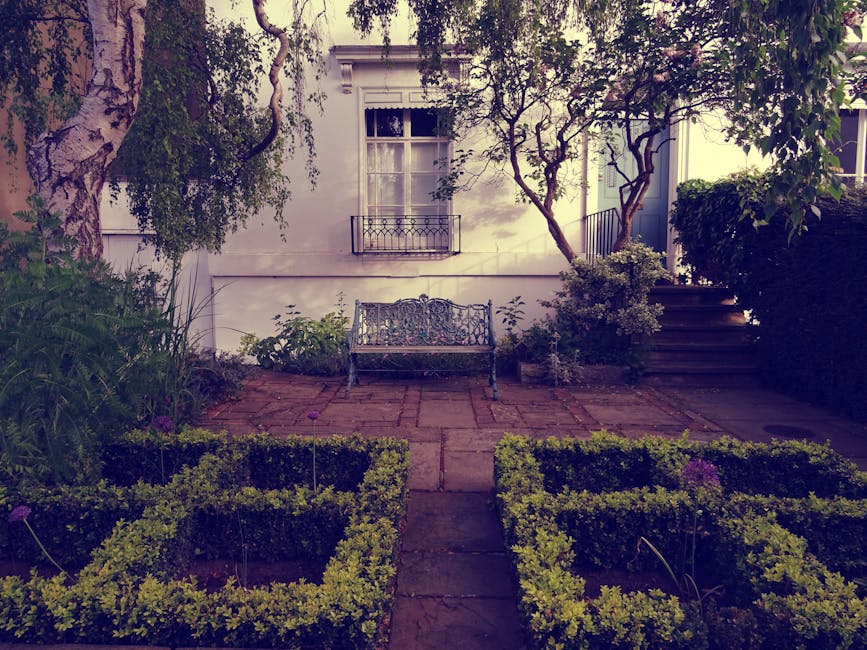
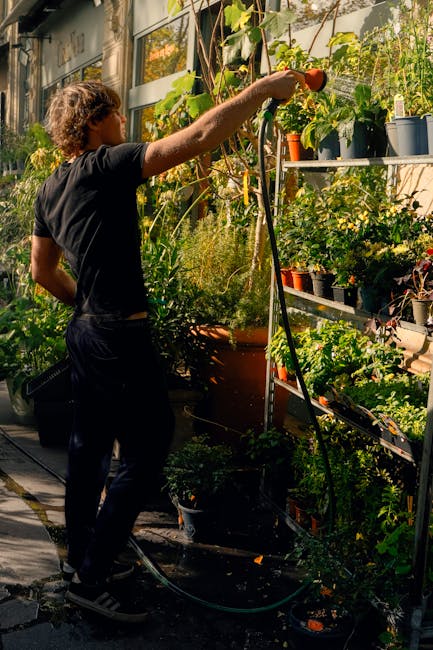
Garden maintenance in Fitzrovia needs a careful, practical approach because outdoor spaces here are often compact, visible and expected to stay tidy throughout the year. We provide regular and one-off maintenance for planted borders, lawns, hard edges and container areas, helping keep everything trimmed, healthy and presentable. The aim is simple: sensible upkeep that suits the space, the planting and the level of attention it needs.
Our work can include mowing, edging, pruning, deadheading, weed control and general tidying, along with clearing leaves and other seasonal debris. Where gardens are shared, screened or set behind commercial premises, we can keep the routine maintenance focused on presentation as well as plant health. Good maintenance is not just cutting back growth; it is also about shaping the work so that beds, paths and lawn areas continue to function well.
If you are looking for a straightforward way to keep an outdoor area in order, tell us what needs attention and we can discuss the most suitable scope. You can also use our pricing and quotes page for further detail before making an enquiry, or contact us when you are ready to request a quotation.
Routine care for lawns, borders and planting
Regular garden maintenance works best when it follows the condition of the site rather than a fixed list of tasks. Some spaces need frequent lawn care, while others benefit more from selective pruning, weed removal and light seasonal tidying. We can adapt the visit to suit the layout, whether that means attending to a small planted forecourt, a sheltered rear garden or a more open external area that gathers debris quickly.
Lawns usually need more than simple cutting. Edges may require trimming, patches can need sympathetic treatment, and the finish often depends on whether the surrounding areas are also cleared and brushed down. For beds and planted areas, maintenance may involve removing spent growth, improving access around stems and keeping invasive weeds under control. Where a site has mixed surfaces, the aim is to leave everything neat without overworking the planting.
What routine maintenance can cover
The exact scope depends on the garden, but a maintenance visit commonly includes a mix of tasks such as:
- mowing and edging where lawn areas are present
- trimming back soft growth that is crowding paths or borders
- deadheading and removing tired seasonal material
- weed control in beds, joints and boundary areas
- light clearing of leaves, twigs and other surface debris
Seasonal work that keeps the garden manageable

Outdoor spaces change through the year, and maintenance should change with them. In spring, growth can move quickly and beds may need more frequent attention. Summer often brings trimming, watering support and a need to keep things balanced without stripping structure from the planting. Autumn work often focuses on leaf clearance and reducing clutter, while winter visits may involve cutting back faded material and keeping surfaces safe and passable.
We can carry out the kind of seasonal maintenance that helps a garden stay manageable rather than becoming a larger job later. That might mean selective pruning to keep shrubs tidy, attention to climbing growth, or clearing material that has built up in corners and behind features. If the garden includes pots or raised planters, these may also benefit from periodic tidy-up work to keep the display looking deliberate rather than neglected.
For customers who prefer a simple arrangement, a regular maintenance schedule is often easier than reactive work. It gives the planting a more consistent finish and reduces the chance that small issues become harder to handle. If you want to plan the work sensibly, it helps to think about what needs attention now, what can wait, and whether the garden should be kept at a formal or relaxed level of finish.
Hedge trimming and boundary shaping
Hedges and boundary shrubs are often a major part of the overall look of a garden, even when the rest of the space is small. Trimming them properly can improve light, reduce encroachment onto paths or fences, and help the whole garden feel better ordered. We can manage hedge trimming as part of maintenance work, whether the priority is a light tidy or a more defined shape.
Good hedge work depends on the plant type, the season and the desired result. Some hedges respond well to regular light trimming, while others are better treated less often but with more care around the cut points. The aim is not simply to make everything shorter; it is to keep the plant healthy and the boundary neat. Where a hedge borders a shared route or side passage, finishing the cut cleanly can make the whole area easier to use.
Boundary maintenance can also include the removal of cuttings and the final clear-up around the base of the hedge. That matters because neat trimming followed by a messy finish does not give the right result. If you are comparing scope, think about whether the hedge needs shaping, height reduction, or simply routine upkeep. A clear description of the work helps us set expectations for the quotation.
Clearance work for neglected or overgrown spaces
Some gardens need more than routine upkeep before they can be maintained properly. When an area has accumulated weeds, fallen material, self-seeded growth or general clutter, garden clearance may be the right starting point. That kind of work is about restoring access and making the space usable again, so future maintenance becomes more practical and less disruptive.
Clearance can involve cutting back overgrown sections, removing loose waste, tackling dense patches of unwanted growth and opening up corners, beds or paths that have become difficult to reach. It may also help where a garden has been left untouched for a period and the first job is to bring it back to a manageable baseline. Once the area is clear, ongoing maintenance can usually be planned more effectively.
When a site needs both clearance and later upkeep, it is often best to separate the tasks in the quotation so the work is easier to judge. That way the first visit can focus on recovery and the later visits can focus on keeping the garden in better condition. If you need to request a quotation, give a brief description of the current state of the garden and the result you want to achieve.
Garden maintenance around pathways, edges and surfaced areas

Many outdoor spaces are not just planting and lawn. Paths, edging strips, steps, gravel areas and paved sections can strongly influence how tidy the garden feels. We can include these areas in maintenance work where relevant, sweeping away debris, controlling weeds at the edges and keeping the transitions between soft and hard landscaping looking deliberate. A neat finish around the perimeter often lifts the appearance of the whole site.
Surface care is especially useful where plants overhang hard areas or where falling leaves and soil tend to collect in corners. Cutting back growth slightly, removing encroaching weeds and clearing loose material can improve both appearance and day-to-day use. If the garden has decorative features, retaining walls or small frontage areas, keeping the surrounding surfaces clean helps those elements remain visible and well defined.
Useful preparation for this kind of visit is usually simple. A clear note about access, any awkward sections and the main areas you want prioritised is often enough. If you are arranging ongoing maintenance, it can also help to mention whether you want the work to be light and regular or more thorough at longer intervals. Plain, specific instructions make it easier to quote accurately.
Understanding the scope of a maintenance visit
Every garden is different, so the right maintenance plan depends on structure, planting density and how much work has built up since the last visit. A modest courtyard may need little more than pruning, weeding and a clean-up of surfaces, while a larger or layered garden may need several tasks combined in one visit. The more clearly the work is defined, the easier it is to match the job to the time available.
It is useful to think in terms of outcomes rather than just individual tasks. For example, a customer may want the garden to be easy to walk through, ready for regular use, or simply more presentable from the house or street. We can then decide whether the right approach is light tidying, full seasonal attention or a combination of maintenance and selective clearance. Clear priorities make the result more consistent.
What can affect the quotation
The main factors are usually the size and condition of the space, the type of work required and how much waste needs to be gathered and removed. Access can also matter if the garden is behind the property, shared with neighbours or reached through narrow side paths. If there are particularly dense areas of growth, several distinct levels or a mix of lawn and planting, those details can influence the overall scope and timing.
Landscape gardening and larger improvements
Alongside maintenance, some gardens benefit from more substantial landscape gardening work. This can be useful when the space needs to be reorganised, replanted or adjusted so it is easier to maintain in future. Rather than simply tidying what is already there, landscape work looks at how the layout, planting and features fit together and whether they are supporting the way you want to use the space.
Possible improvements may include refreshing tired planting areas, changing the balance between lawn and beds, adding structure, or reshaping areas that feel awkward to manage. In a compact urban setting, even small changes can make a noticeable difference if they improve access, reduce congestion and create cleaner edges. We can discuss whether the work is best approached as a one-off improvement or as a planned series of stages.
For some customers, the best route is to combine a larger project with ongoing maintenance so the garden settles into a manageable pattern after the changes are made. That approach can be especially helpful where new planting needs early attention or where a redesigned area should be kept tidy from the start. If the space is changing, the maintenance plan should change with it.
About Fitzrovia
Fitzrovia is an area in central London, sitting between the West End and the higher ground of the former Marylebone and Bloomsbury edges. Its character reflects layers of development rather than one single planned identity, and the street pattern includes a mix of narrower residential roads and busier through routes. The district became particularly associated with artists, writers and bohemian circles in the twentieth century, and that cultural reputation remains part of how it is described today. Charlotte Street is one of the best-known thoroughfares, noted for its restaurants and long-standing urban character, while nearby streets contain a mixture of older terraces, offices and converted buildings. The area name is also linked with Fitzroy Square, one of London’s most recognisable Georgian squares, which sits as a formal architectural landmark within the wider district. To the south and east, Fitzrovia connects with the broader fabric of central London rather than forming a self-contained enclave, so its identity is often shaped by movement between neighbouring parts of the city. The neighbourhood is also close to major institutions and amenities, including the University of Westminster’s Regent Street presence and cultural destinations in the wider West End. Green space is limited locally, but nearby squares and small pockets of planting contribute to the urban landscape. The combination of Georgian terraces, later commercial buildings and active street life gives Fitzrovia a layered appearance that is distinctive within central London.
Choosing the right level of care

Different gardens need different levels of attention, and not every site benefits from the same approach. A low-maintenance garden may only need periodic visits to keep growth under control and surfaces tidy, while a more developed space could require more regular pruning, lawn care and detail work around the edges. The best arrangement is usually the one that keeps the garden in line with how often it is used and seen.
It can help to decide whether the priority is appearance, plant health or practical access. Sometimes all three matter, but one will usually lead the brief. If the main concern is visual order, the work may lean towards tidying and trimming. If the focus is on plant condition, the maintenance may require more careful pruning and selective treatment of growth. If movement through the space matters most, edging, clearance and path-side work may take precedence.
For a clearer quotation, it is useful to mention any features that need particular care, such as mature shrubs, climbing plants, confined borders or areas that should not be disturbed too heavily. That information helps us shape the work around the garden itself rather than applying a generic approach. When you are ready, a concise enquiry is enough to start the conversation.
Preparing for a quotation
We keep the quotation process practical and straightforward. A brief outline of the size of the garden, the type of maintenance you want and the current condition of the space is usually enough to begin. If there are sections that are more urgent than others, or areas that should be excluded, it is helpful to mention those as well so the scope is understood from the outset.
If you are describing the work, it can be useful to note whether you need routine maintenance, a one-off tidy, hedge trimming, clearance or a mixture of tasks. Photos can help when the garden is difficult to explain in words, but they are best treated as supporting detail rather than a substitute for a clear description. This keeps the conversation focused on the actual work that needs doing, and it helps avoid unnecessary back-and-forth.
To take the next step, you can ask for a quotation through our contact us page or review the broader service information on services overview. If you want to check the way we handle costs first, the pricing and quotes page is also available before you decide. Request a quotation when you are ready.