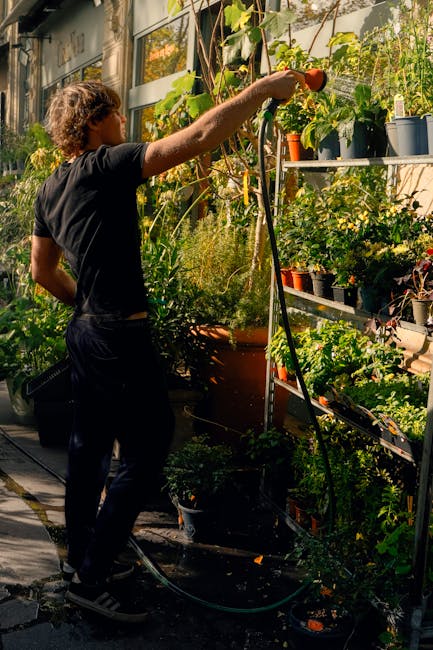
Local gardeners Charlotte Street Fitzrovia small garden experts
If you're searching for Local gardeners Charlotte Street Fitzrovia small garden experts, you're probably dealing with one of those very London garden problems: not much space, not much time, and a strong wish to make the most of both. Small Fitzrovia gardens can be lovely, but they are also a bit unforgiving. One overgrown shrub, a tired lawn patch, or a cluttered corner and suddenly the whole place feels smaller than it is.
That's where the right local gardening support makes a real difference. In a compact garden, every plant, paving line, and pruning cut matters. You need practical maintenance, a good eye for proportion, and a plan that fits the way you live, not just the way a garden looks in a magazine. This guide breaks down how local small-garden expertise works, what to look for, common pitfalls, and how to get better results without wasting money or space.
For readers comparing services, it can help to begin with the broader services overview and then narrow down what your garden actually needs. Sometimes the answer is simple. Sometimes it's a mix of maintenance, clearance, and a few thoughtful improvements.
Table of Contents
- Why Local gardeners Charlotte Street Fitzrovia small garden experts matters
- How local small-garden expertise works
- Key benefits and practical advantages
- Who this is for and when it makes sense
- Step-by-step guidance
- Expert tips for better results
- Common mistakes to avoid
- Tools, resources and recommendations
- Law, compliance, standards, or best practice
- Options, methods, or comparison table
- Case study or real-world example
- Practical checklist
- Conclusion
- Frequently asked questions
Why Local gardeners Charlotte Street Fitzrovia small garden experts Matters
Small gardens in Fitzrovia are rarely straightforward. You're often working with shaded courtyards, narrow side spaces, container planting, awkward access, shared boundaries, and neighbours who are, let's say, not always thrilled by hedge trimmers before 8am. A local gardener who understands this setting is valuable because they work with the constraints rather than fighting them.
That local knowledge matters in several ways. First, it helps with plant choice. Some gardens get a surprising amount of reflected heat from brick walls and paving; others stay cool and damp for longer than you'd expect. A gardener with real local experience will spot that quickly and recommend plants that survive the conditions rather than merely surviving the sale.
Second, local garden experts understand scale. In a small garden, one oversized shrub can dominate the space. A poorly chosen tree can become a long-term nuisance. A good gardener thinks about sightlines, movement, light, and the way the space feels when you open the door on a wet Tuesday morning and just want it to look tidy. Not fancy. Just calm.
Third, local support is practical. Less travel time usually means easier scheduling, faster follow-up, and a better understanding of the kind of work common to central London properties. That can include regular upkeep, one-off tidy-ups, garden clearance, or help with stubborn edges that keep getting missed.
Expert summary: Small gardens do not need more stuff. They need better decisions, careful maintenance, and a gardener who understands how to make limited space feel open, tidy, and usable.
How Local gardeners Charlotte Street Fitzrovia small garden experts Works
The process is usually simpler than people expect, but the good ones are methodical. They start by looking at the space as a whole: light levels, access, planting condition, drainage, soil quality, boundary issues, and how you use the garden day to day. That first impression is often where the real work begins.
In many small Fitzrovia gardens, the job is less about large-scale landscaping and more about precision. A gardener may recommend pruning to open up light, reducing congestion in beds, refreshing soil or mulch, reshaping a lawn edge, or replacing a few high-maintenance plants with more suitable varieties. Sometimes a full redesign is unnecessary. Truth be told, a tidy, balanced garden often delivers more value than a dramatic makeover.
Where the space is tired or cluttered, the work may begin with clearance. That can mean removing unwanted growth, old pots, broken fixtures, and garden waste before the meaningful improvements happen. If the structure needs a reset, you might also look at garden maintenance for ongoing care or landscape gardening if you want the layout improved rather than simply kept in order.
For small outdoor areas, the sequence matters:
- Assess what is working and what is blocking light, movement, or drainage.
- Remove clutter, dead growth, and anything that is no longer fit for purpose.
- Refine structure using pruning, edging, planting, or simple hard landscaping.
- Set a maintenance rhythm so the garden stays manageable.
That last step is the one people skip. And then, three months later, the garden has quietly taken back control. It happens.
Key Benefits and Practical Advantages
There are obvious benefits to hiring local small garden specialists, but the strongest ones are often practical rather than glamorous.
- Better use of limited space: Small gardens can feel larger when planting, paths, and focal points are chosen carefully.
- Less wasted effort: You avoid buying plants or materials that are wrong for the site.
- Cleaner presentation: Regular maintenance keeps the space from looking cluttered or neglected.
- Healthier plants: A gardener can spot stress early, before it becomes expensive.
- Easier upkeep: Good design reduces the time you spend battling weeds, overgrowth, and dead corners.
- Local responsiveness: If you need repeat visits or seasonal adjustments, local support is often more convenient.
There is also the confidence factor. When your garden is small, mistakes are visible. Every poor cut, every overgrown edge, every badly placed pot. Having a person who knows how to correct those issues without making a fuss is a relief, frankly.
If you're weighing up whether to invest in specific improvements, pages like lawn mowing, hedge trimming, and landscaping can help you judge which type of work fits your space best.
Who This Is For and When It Makes Sense
This kind of service suits more people than you might think. It is not just for homeowners with a decorative courtyard. It is for anyone trying to keep a small outdoor area usable and good-looking without turning every weekend into a gardening project.
You may benefit from local small-garden expertise if you are:
- a homeowner with a compact front or rear garden
- a tenant who wants a neat outdoor space without major changes
- a landlord preparing a property for viewings
- an office or mixed-use property manager with a small planted area
- someone with limited time who still wants the garden to feel cared for
- a person whose garden has become overgrown after a busy season or holiday period
It also makes sense when your garden has a few recurring problems: weeds returning in the same spots, plants that keep failing, a lawn that never quite recovers, or a border that looks crowded no matter how often you tidy it. Those are usually signs of a system issue, not just a one-off mess.
A useful rule of thumb: if you keep saying, "I'll sort it next weekend," and next weekend never comes, you probably need a maintenance plan rather than another stretch of optimism.
Step-by-Step Guidance
If you want to improve a small garden in a sensible way, this is the kind of process that works well in practice.
1. Start with a proper assessment
Walk the space slowly. Notice where the light falls in the morning and late afternoon. Check for areas that stay wet, places where pots are crowding movement, and any plants that are clearly struggling. Small gardens punish vague thinking, so be specific.
2. Decide what the garden is for
Do you want a quiet sitting area, a green view, a low-maintenance space, or a bit of all three? A garden that tries to do everything often ends up doing nothing particularly well. Narrowing the purpose makes every decision easier.
3. Remove the obvious clutter
Dead material, broken containers, weeds in paving joints, and tired plants can make a tiny space feel chaotic. Clearing that out first gives you room to think. If there is a lot to remove, a structured garden clearance service can save a great deal of time.
4. Fix the structure
Once the clutter is gone, focus on the bones of the garden: edges, levels, paths, fencing, and any hard surfaces. Structure is what makes a small garden feel intentional. Even a simple line of well-placed pots or a tidier border can make a noticeable difference.
5. Choose planting with restraint
In compact gardens, restraint usually wins. Fewer plant types, repeated in sensible groupings, often look better than a crowded mix. Strong foliage, seasonal flowers, and a few evergreen elements usually create a calmer result.
6. Build in maintenance
A garden is not finished when it looks good for a day. It is finished when it can stay good with manageable effort. That may mean regular mowing, pruning, or seasonal refreshes. Sometimes the best solution is ongoing care rather than a one-time upgrade.
Expert Tips for Better Results
Small gardens reward small, smart decisions. Here are a few that tend to pay off.
- Use repetition: Repeated plants or materials make a space feel calmer and more spacious.
- Keep the number of features low: Too many pots, ornaments, and textures create visual noise.
- Prune for light, not just shape: Opening up the canopy can improve the whole feel of the garden.
- Prioritise clean edges: Sharp borders and well-defined paths instantly improve presentation.
- Think vertically: In a narrow garden, trellis, climbers, and wall planting can add interest without stealing floor space.
- Use materials that are easy to maintain: A low-fuss finish usually beats a delicate one in central London.
One practical tip that gets overlooked: step back to the doorway and look at the garden from the place you actually live with it. That view tells you more than a hundred close-up inspections. The same goes for listening. If a hedge is rustling against windows or a tree is scraping a wall, it's not just cosmetic. It's a comfort issue.
For larger jobs, combining workstreams can make sense. For example, trimming, clearance, and a light redesign can be bundled so the space is transformed once rather than disturbed three separate times.
Common Mistakes to Avoid
Small gardens are forgiving in some ways, but not in others. A few mistakes show up again and again.
- Choosing plants for looks only: A beautiful plant that hates the site is still a problem.
- Overcrowding: More plants do not automatically mean a better garden.
- Ignoring access: If a gardener cannot reach the back corner comfortably, the whole maintenance plan suffers.
- Letting hedges and shrubs get too large: In a small space, delayed pruning can quickly become a bigger job.
- Skipping seasonal work: A little maintenance in spring or autumn can prevent a much heavier tidy-up later.
- Overcomplicating the design: The more complex the garden, the harder it is to keep tidy.
The biggest mistake? Waiting until the garden feels embarrassing before acting. By then, you're not choosing between tidy-up options. You're choosing between recovery options. A bit dramatic, yes, but true.
Tools, Resources and Recommendations
You do not need a shed full of expensive kit to keep a small garden under control. In fact, too many tools can become part of the problem. For basic upkeep, simple and well-maintained equipment usually works best.
Useful categories include:
- Pruning tools: for shaping shrubs, removing dead growth, and keeping plants in proportion
- Lawn care tools: if you have even a modest patch of grass, regular cutting matters
- Clearance tools: for removing waste, cuttings, and unwanted material safely
- Hand tools for edging and weeding: helpful in compact beds and paving joints
- Containers and supports: useful where ground space is limited
Where a garden includes a lawn that needs frequent attention, a dedicated lawn mowing service can keep the space neat without dragging the job out every weekend. Similarly, if shape and privacy are a concern, structured hedge work can make the whole garden feel more finished.
For clients who want more than maintenance, it can also be worth exploring decking services as a practical way to create a clean sitting area in a small footprint. Done well, decking can be a calm reset button for a compact garden. Not flashy. Just useful.
Law, Compliance, Standards, or Best Practice
Garden work in London often involves more than pruning and planting. There are practical duties around safety, waste handling, access, and neighbour consideration. The exact requirements will vary by job, property type, and access arrangement, so it is wise to keep expectations realistic and ask questions early.
Good practice usually includes:
- checking that work can be carried out safely on the site
- handling waste responsibly and arranging disposal through appropriate channels
- using insured and well-maintained equipment
- being careful around shared boundaries, fences, and communal access points
- working in a way that reduces damage to paving, walls, and planted areas
If you are comparing providers, it is sensible to look at their approach to insurance and safety, along with their health and safety policy. Those pages are useful because they tell you something important: the provider is thinking beyond appearances.
Waste and sustainability matter too. A careful gardener will usually try to minimise avoidable waste, separate materials sensibly, and reuse or recycle where it is practical. If that matters to you, the recycling and sustainability approach is worth reviewing. It is not just about being tidy; it is about not turning a small garden job into a bigger environmental mess than necessary.
One more point worth saying plainly: if any work involves trees, substantial height, or structural risk, don't improvise. That's not the job for a ladder and a hopeful attitude.
Options, Methods, or Comparison Table
Different small-garden situations call for different types of support. This comparison may help you decide where to start.
| Approach | Best for | Strengths | Limitations |
|---|---|---|---|
| Regular maintenance | Gardens that already work but need control | Keeps everything tidy, predictable, and manageable | Won't solve deeper layout problems on its own |
| Clearance first | Overgrown or neglected spaces | Creates a clean starting point and quick visual improvement | May need follow-up work to prevent regrowth |
| Light landscaping | Small gardens with poor layout or weak structure | Improves usability and flow without a full rebuild | Can require a larger upfront decision |
| Targeted improvements | Spaces that are mostly fine but have one annoying issue | Cost-effective and focused | Needs a clear diagnosis to avoid half-fixes |
If your garden feels messy but not broken, maintenance is often enough. If the space is cramped, awkward, or visually disjointed, a small amount of landscaping can make a bigger difference than repeated tidying ever will. That distinction matters.
Case Study or Real-World Example
Here's a realistic scenario from the kind of work that comes up often in central London. A small rear garden off Charlotte Street had become a bit of a catch-all: a few tired pots, a narrow strip of lawn, a hedge that had crept out too far, and a border where weeds kept returning. Nothing dramatic, just a space that had gradually lost shape.
The first visit focused on clearing the clutter and cutting everything back to sensible proportions. That alone made the space feel wider. Then the hedge was trimmed to open up the garden edge, the lawn was neatened, and the planting was simplified so there were fewer competing textures. A couple of awkward containers were moved rather than replaced. Simple, really.
The important lesson was not that the garden needed more features. It needed fewer distractions and a maintenance rhythm. After that, the owner could actually use the space for coffee in the morning, rather than staring out at it and thinking, "I really should sort that out."
That is often the goal with small garden expertise: not perfection, just a garden that feels settled, usable, and easy to live with.
Practical Checklist
Use this checklist before arranging work or planning your own garden reset:
- Have you identified what the garden is meant to do?
- Do you know which areas are too crowded, too dark, or too high-maintenance?
- Is there obvious clearance work to do first?
- Are hedges, shrubs, or climbers becoming too large for the space?
- Do you need regular upkeep, one-off help, or a broader redesign?
- Have you checked access points for waste removal and equipment movement?
- Would simple structural changes improve the space more than extra planting?
- Do you want a low-maintenance result, or are you happy to spend time on upkeep?
- Have you considered how the garden looks from inside the property?
- Are safety, insurance, and waste handling part of the service you want?
If you can answer most of those questions, you are already halfway to a better outcome. The rest is usually about timing and sensible execution.
Conclusion
Small garden work in Fitzrovia is all about restraint, local understanding, and steady practical choices. The best local gardeners do not try to turn a compact space into something it cannot be. They make it cleaner, easier to use, better balanced, and less stressful to maintain. That's the real win.
Whether your garden needs a tidy-up, a reset, or an ongoing care plan, the key is to start with the space as it is, not as you wish it were. A few smart decisions can change how a garden feels every time you step outside. And in a place like Charlotte Street, where space is precious, that difference really does matter.
Get a free quote today and see how much you can save.
If you're ready to take the next step, learn more about the team on the about us page or get in touch through the contact us page. Sometimes the hardest part is simply starting, and once you do, the whole thing becomes a lot more manageable.
Frequently Asked Questions
What do local gardeners in Charlotte Street Fitzrovia actually help with?
They usually help with maintenance, trimming, clearing, planting advice, lawn care, and practical improvements for small gardens. In compact spaces, the focus is often on making the garden easier to manage and more comfortable to use.
Why is a small garden expert better than a general gardener?
A small garden expert understands scale, access, light, and proportion. In a small space, one mistake can dominate the whole view, so experience with compact layouts is a real advantage.
How often should a small garden be maintained?
That depends on the planting and how fast things grow, but many small gardens benefit from regular attention rather than occasional big clearances. Frequent light maintenance is usually easier than dealing with a large seasonal build-up.
Can a tiny garden still look good without much planting?
Yes, absolutely. Good structure, neat edges, thoughtful containers, and a clean layout can make a tiny garden feel calm and polished even with minimal planting.
Is garden clearance necessary before maintenance?
Not always, but it often helps if the space is overgrown or cluttered. Clearance creates a proper starting point so maintenance work is more effective and less rushed.
What should I ask before booking a local gardener?
Ask what kind of small-garden work they do, whether they can handle clearance or pruning, how they approach access and waste, and whether they offer ongoing maintenance. A clear answer is usually a good sign.
Do small gardens need landscaping or just maintenance?
Some only need maintenance, but others need a few structural changes to work properly. If the layout feels awkward or the space never seems to settle, light landscaping may be worth considering.
How do I make a small Fitzrovia garden look bigger?
Keep the design simple, reduce clutter, use repetition in planting, maintain clean lines, and avoid overcrowding. Light and sightlines matter a lot more than people expect.
Can gardeners help with hedges and shrubs in limited spaces?
Yes, and they often should. In small gardens, hedge trimming and careful pruning can make a dramatic difference to light, openness, and overall balance.
What if my garden is mostly paved with a few pots?
That still counts. Paved spaces with containers need cleaning, pruning, refreshing, and sometimes a bit of softening through planting or layout changes. They can look surprisingly good with the right care.
How do I know if my garden needs professional help?
If the space feels too hard to maintain, looks overgrown quickly, or no longer fits how you use it, it may be time for professional support. Sometimes a short visit can solve problems that have been nagging for months.
What matters most in a small London garden: design or maintenance?
Both matter, but maintenance usually has the fastest effect. A good design is helpful, yet even the best design will slip if it is not kept in check. Small gardens live or die by consistency, really.
Are sustainability and recycling important in garden work?
They are, especially when you are dealing with regular clippings, clearance, and seasonal waste. Responsible handling helps keep the job efficient and avoids needless waste.
Where can I learn more about the services available?
A good place to start is the services overview, then look at the specific pages for maintenance, clearance, mowing, trimming, landscaping, and related work depending on what your garden needs.