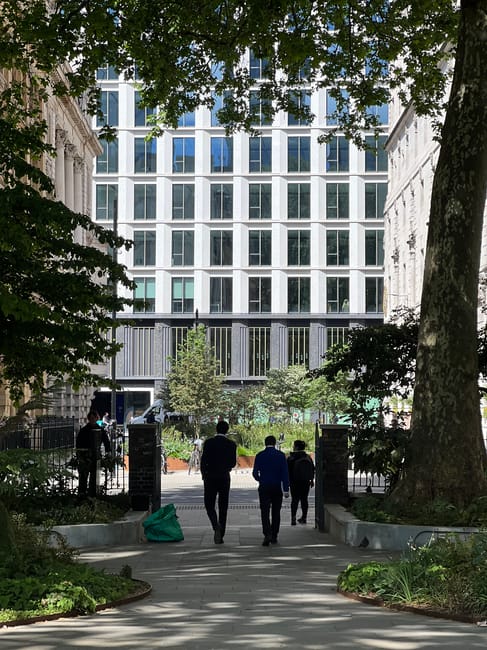
Affordable garden maintenance Fitzrovia office courtyards
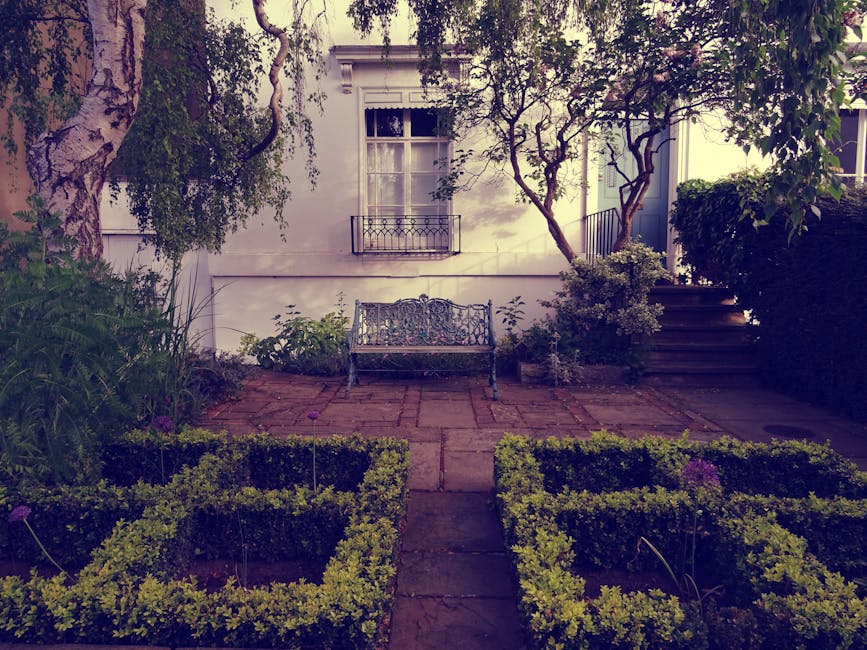
Office courtyards in Fitzrovia do a lot of quiet heavy lifting. They soften hard architecture, give staff a place to step outside for a breather, and make a better first impression when clients arrive. But they also get tired quickly: planted beds dry out, paving picks up debris, pots look scruffy, and one windy week can leave everything a bit messy. That is exactly where affordable garden maintenance Fitzrovia office courtyards becomes more than a nice extra. It is a practical way to keep a commercial outdoor space presentable without letting costs creep up.
Done well, affordable maintenance is not about cutting corners. It is about choosing the right tasks, at the right frequency, and using a sensible plan that suits the space. In other words, you pay for what actually matters. This guide breaks down how it works, what to expect, where the hidden costs sit, and how to keep an office courtyard looking calm, tidy, and professional through the year.
Why Affordable garden maintenance Fitzrovia office courtyards Matters
Fitzrovia is full of compact commercial spaces. Courtyards can be stylish, but they are often enclosed, shaded, and a little awkward to maintain. Leaves gather in corners, self-seeded weeds appear in paving joints, and container plants can look tired if they are not checked regularly. The space may only be small, yet it still sets a tone. A neat courtyard says the business notices detail. A neglected one says the opposite, even if the team inside is brilliant.
There is also a practical side. Small outdoor spaces can become slippery, cluttered, or unpleasant to use if they are ignored. Fallen foliage, overgrown borders, and poor drainage all create avoidable issues. For office managers, landlords, and facilities teams, a low-maintenance plan is often the difference between a courtyard that feels like an asset and one that becomes another job on the list.
To be fair, nobody wants to overpay for a few plants and a sweep-up. That is why affordable maintenance matters: it keeps the area presentable without commissioning unnecessary work every visit. The goal is reliable upkeep, not a showpiece makeover every month. Sometimes that means five targeted tasks beat fifteen fancy ones.
For businesses wanting a broader service structure, it can help to review the services overview and the practical scope of garden maintenance before agreeing a courtyard schedule. And if the space has become heavily cluttered or overgrown, a one-off garden clearance can reset things before routine care begins.
How Affordable garden maintenance Fitzrovia office courtyards Works
Affordable commercial courtyard maintenance usually starts with a short site review. The aim is to understand the layout, the planting style, how the courtyard is used, and what is causing most of the labour. A paved seating area with a few planters has different needs from a green courtyard with turf, hedging, and seasonal beds. Makes sense, really.
From there, the maintenance plan is built around the essentials:
- Cleaning and tidying such as sweeping, light litter removal, and clearing fallen leaves.
- Plant care including watering checks, deadheading, light pruning, and replacing tired plants where needed.
- Weed control in beds, gravel, and paving joints.
- Lawn or turf care if the courtyard includes grassed areas, usually supported by lawn mowing where relevant.
- Hedge and shrub shaping to keep boundaries tidy and stop the space feeling cramped, which often links well with hedge trimming.
- Seasonal cut-backs so the courtyard stays balanced rather than overgrown.
Some courtyards also need structural work. If timber features are included, a provider may suggest decking services for repairs or safer use of outdoor seating zones. Where trees are part of the setting, small-scale management may involve tree lopping and removal, although that should always be approached carefully and only when genuinely needed.
The most cost-effective arrangements are usually scheduled, not reactive. Regular visits prevent small issues becoming expensive ones. A quick tidy every few weeks is almost always cheaper than waiting until the courtyard has turned into a mini jungle. You can feel it in the budget straight away.
Key Benefits and Practical Advantages
There are plenty of reasons office courtyards deserve steady care, but affordability changes the conversation. It makes maintenance something you can plan for rather than a budget shock. Here are the main benefits that matter day to day.
- Better first impressions. Visitors usually notice the courtyard before they notice the brochure rack or reception leaflets. A clean outdoor space quietly raises the standard of the whole building.
- Safer surfaces. Regular leaf clearing and debris removal help reduce slippery patches, blocked drains, and trip hazards.
- Lower long-term costs. Small interventions, done on time, are usually less expensive than major recovery work later.
- Improved staff wellbeing. A pleasant courtyard gives people somewhere to reset for five minutes. That sounds small, but it matters on a long workday.
- More consistent plant health. Routine checks help avoid the classic cycle of overwatering, underwatering, and panic replacement.
- Cleaner use of space. Courtyards often serve as breakout areas, informal meeting spots, or smoking zones. If the area feels maintained, people use it better.
There is also a softer benefit that clients often underestimate: calm. A well-kept courtyard takes visual noise out of the equation. No tangled stems, no dead patch staring back at you, no empty pots and forgotten maintenance drama. Just a space that feels looked after. In a busy part of London, that calm is worth something.
If sustainability is part of the brief, ask how cuttings, green waste, and replacement planting are handled. A responsible approach to pruning and disposal can sit nicely alongside recycling and sustainability, especially where the business wants to reduce unnecessary waste.
Who This Is For and When It Makes Sense
This type of service is a good fit for a few different situations. You may recognise one of them immediately.
- Office managers trying to keep shared outdoor areas presentable without adding more internal workload.
- Landlords and managing agents who want common courtyards to support tenancy value and building presentation.
- Facilities teams that need reliable, repeatable maintenance with clear expectations.
- Small businesses that use their courtyard as an informal break area and want it to feel welcoming.
- Professional practices such as clinics, agencies, or studios where the outside space contributes to client perception.
It makes particular sense when the courtyard is too small for a full-scale landscaping project but still important enough to justify regular upkeep. It also suits businesses that have already invested in planting, paving, or seating and now need the area protected rather than rebuilt.
And if the space is not working properly at all, don't be afraid to look at bigger changes. A good maintenance schedule sometimes reveals layout issues, poor access, or planting that simply does not suit the courtyard. In those cases, a discussion around landscaping or landscape gardening may be the smarter long-term move.
Step-by-Step Guidance
If you are approaching this for the first time, the process is simpler than it sounds. The trick is to separate what needs doing every visit from what only needs occasional attention.
- Assess the courtyard in plain terms. What is there now? Paving, pots, hedges, turf, shade, seating, drainage points. A quick photo set helps more than a long email.
- Decide what the courtyard is for. Breakout space, display area, access route, or just a tidy visual feature? The answer changes the maintenance plan.
- List the essential tasks. Sweep, weed, water, prune, mow, empty bins, clear drains, reset pots. Keep this tight. Every extra task adds cost.
- Set the frequency. Weekly, fortnightly, monthly, or seasonal. In Fitzrovia, small shaded courtyards often need a little more regular attention than people expect.
- Agree the scope in writing. That protects both sides and avoids the old "I thought that was included" conversation, which nobody enjoys.
- Review after the first few visits. If the service is too light, problems will reappear. If it is too heavy, you may be paying for work that adds little value.
A useful rule of thumb: keep the routine visits light and consistent, then reserve larger tasks for planned seasonal work. For example, a summer courtyard may need watering and tidying every visit, while autumn is about leaf clearance and keeping drains clear. Different seasons, different jobs. Obvious once you say it, but easy to miss in practice.
Before agreeing a programme, it is sensible to check how the provider handles pricing, quotes, and repeat work. A transparent approach via pricing and quotes is usually the easiest way to compare value rather than just headline price.
Expert Tips for Better Results
A few small decisions make courtyard maintenance cheaper and better over time. These are the things that often separate a polished space from one that always seems half one step behind.
- Use plant choices that suit shade and containment. Courtyards in central London often have limited direct sun. Plants that cope with partial shade usually perform better and need less replacing.
- Stick to a repeatable layout. The more the space changes, the harder it is to maintain efficiently. A stable arrangement usually costs less to look after.
- Keep access clear. Storage items, loose furniture, and random deliveries all slow down maintenance work. It sounds minor, but it really is not.
- Combine small jobs into one visit. Leaf clearing, hedge trim, and pot tidy-ups are often more efficient together than spread across separate call-outs.
- Plan seasonal refreshes. A little extra attention in spring and autumn often keeps the whole year easier.
One practical habit I like: take a photo of the courtyard after a good visit and use it as a reference standard. Not for vanity. Just as a simple "this is what good looks like" reminder. On a busy week, that helps everyone stay aligned.
If the courtyard includes shared walkways or raised areas, ask about safe working methods and public liability cover. You are not being difficult. You are being sensible. The provider should be comfortable talking through their approach to insurance and safety and their health and safety policy.
Common Mistakes to Avoid
The biggest maintenance mistakes are usually not dramatic. They are just the kind that build up quietly until the courtyard looks tired or starts costing more than it should.
- Buying a "cheap" service with no scope. If the tasks are not clearly defined, the quote may look low but the final outcome can be patchy.
- Overplanting small courtyards. Too many plants can make upkeep harder, not better. Less can be more, honestly.
- Ignoring drainage and corners. Courtyards often fail at the edges first. That is where debris gathers and where people stop looking closely.
- Waiting for visible decline. By the time plants look stressed or hedges are wildly out of shape, recovery takes more labour.
- Mixing reactive and routine work without a plan. Ad hoc jobs are almost always more expensive than scheduled maintenance.
Another common issue is expecting one monthly visit to solve everything. Sometimes that works. Often it does not. In a sheltered courtyard, light growth, litter, and water issues can show up faster than you would think. The space can seem fine from the office window, then you step out at 4pm and realise it needs attention yesterday. Bit annoying, but very normal.
Tools, Resources and Recommendations
You do not need a huge toolkit to maintain an office courtyard well. In fact, simple is usually better. The most effective kits are the ones that support consistent work rather than complicated work.
| Area | Useful tools or approach | Why it helps |
|---|---|---|
| Tidy-up | Broom, hand tools, waste bags, leaf grabber | Keeps surfaces clean and presentable without overcomplicating the job |
| Plant care | Secateurs, watering plan, mulch, replacement stock | Supports healthier plants and reduces last-minute fixes |
| Weed control | Regular hand weeding, joint cleaning, bed inspection | Prevents weeds from taking hold in small spaces |
| Lawn areas | Light mowing schedule, edge trimming, seasonal feed if needed | Maintains a crisp look without wasteful over-treatment |
| Plant refresh | Seasonal replacement planting and pot rotation | Keeps the courtyard feeling fresh without full redesigns |
For businesses that want a clearer picture of what can be bundled together, the services overview can be a useful starting point. It helps you see how routine maintenance, clearance work, and specialist tasks fit together without treating every courtyard issue as a separate project.
And yes, good recycling matters here too. Green waste, prunings, and old planting materials should be handled properly. If the contractor explains disposal clearly, that is a good sign. If they get vague, that is usually a warning light.
Law, Compliance, Standards, or Best Practice
Commercial courtyard maintenance in the UK is not usually about heavy regulation, but there are still sensible standards to keep in mind. The main issue is duty of care: people who use the space should not be exposed to avoidable hazards. That means keeping walkways clear, managing slippery build-up, and dealing with overgrowth before it causes access problems.
It is also wise to think about the practical side of working in shared buildings. Courtyards may be accessed by staff, tenants, visitors, or delivery personnel. Good communication, agreed visit times, and clear access arrangements matter. So does insurance. If someone is working on site, you want confidence that the contractor understands safe working methods and has proper cover in place.
In terms of best practice, three things stand out:
- Work to a defined scope. This avoids confusion and supports repeatable quality.
- Keep maintenance frequent enough to prevent decline. Prevention is usually cheaper than recovery.
- Use methods that suit the site. A tiny courtyard does not need the same approach as a large private garden. Obvious, but still worth saying.
Businesses also often like reassurance around payment handling and documentation. That is where clear office processes help, including confirmation of terms and a proper quote trail. If you want to review how a provider frames those basics, their pages on payment and security and terms and conditions can help set expectations.
Options, Methods, or Comparison Table
Not every courtyard needs the same maintenance model. Here is a simple comparison of the main approaches so you can judge what feels affordable without undercooking the job.
| Approach | Best for | Typical strengths | Trade-off |
|---|---|---|---|
| Light routine maintenance | Small courtyards with steady use | Predictable cost, tidy appearance, simple scheduling | May not suit spaces with recurring plant issues |
| Seasonal maintenance | Courtyards with low use or hardy planting | Lower frequency, useful for budget control | Can allow problems to build between visits |
| Routine plus occasional reset | Spaces that fluctuate through the year | Balanced cost, good long-term results | Needs honest planning and a bit of coordination |
| Maintenance plus minor landscaping | Courtyards with structural issues or poor layout | Can improve usability and reduce future labour | Higher initial spend |
In many Fitzrovia office courtyards, the sweet spot is a mix of routine care and the occasional reset. That keeps the site looking lived-in but not neglected. If the layout itself is the problem, adding a little landscaping work may save money later because the space becomes easier to manage. Sometimes the best budget decision is not the cheapest one upfront.
Case Study or Real-World Example
Picture a small Fitzrovia office courtyard used by around a dozen staff and the occasional client visitor. It has paved flooring, three planters, a narrow bed against one wall, and a couple of benches. Nothing wild, nothing grand. At first glance it looks easy to manage, but the shaded corner collects leaves, the planters dry out unevenly, and the hedge line creeps just enough to make the area feel tighter every few weeks.
The business originally called for ad hoc help only when things looked messy. The result? The courtyard swung between decent and slightly forgotten. After a few months, they switched to a modest scheduled visit focused on sweeping, weeding, hedge trimming, and seasonal planting checks. A one-off clearance at the start dealt with the backlog, then routine care kept things under control.
What changed was not just appearance. Staff actually started using the space more, because it felt maintained rather than abandoned. The office manager also stopped chasing emergency fixes. That part matters more than people admit. The job became boring in the best possible way.
For that sort of setup, it can be helpful to work with a company that explains its background and process clearly. A page like about us can give you a sense of approach, while a straightforward contact route makes it easier to request a site visit or discuss the courtyard before committing.
Practical Checklist
Use this as a quick internal checklist before you agree a maintenance plan. It keeps the conversation grounded and saves time later.
- Is the courtyard being used by staff, visitors, or both?
- Which parts create the most visible mess or risk?
- Are there lawns, hedges, planters, or tree features?
- Do shaded corners or drainage points need closer attention?
- Is the current layout easy to maintain, or does it fight the space?
- Do you need routine care, occasional clearance, or both?
- Is the maintenance scope written down clearly?
- Have you agreed frequency and expectations for seasonal changes?
- Are waste removal and recycling handled responsibly?
- Has the provider explained safety, insurance, and access arrangements?
Quick takeaway: if a courtyard is small, shaded, and used regularly, the cheapest option is usually not the noisiest or most dramatic one. It is the one that keeps things steady. Regular, sensible, unglamorous work. That is the bit that saves money.
Conclusion
Affordable garden maintenance for Fitzrovia office courtyards is really about balance: enough care to keep the space attractive and safe, but not so much that you are paying for fluff. The most effective plans are the ones built around real use, real layout, and real seasonal change. A neat courtyard does more than look nice. It supports the building, the team, and the impression you leave on everyone who steps outside for a moment of fresh air.
When you approach it with a sensible scope, clear expectations, and the right mix of routine and occasional work, the courtyard becomes an asset again. Not a burden. Not a worry. Just a well-kept part of the workplace that quietly does its job. And that, frankly, is what most offices need.
Get a free quote today and see how much you can save.
When a courtyard is looked after properly, it stops asking for attention and starts giving it back. That is a good trade.
Frequently Asked Questions
What does affordable garden maintenance for office courtyards usually include?
It usually includes basic tidying, sweeping, weeding, pruning, watering checks, hedge trimming where needed, and seasonal upkeep. The exact scope should depend on the size and use of the courtyard, not on a fixed template.
How often should a Fitzrovia office courtyard be maintained?
That depends on the planting and how sheltered the area is. Some courtyards need weekly attention, while others are fine on a fortnightly or monthly cycle. The key is regularity. Leaving it too long is where costs climb.
Is garden maintenance cheaper than landscaping?
Usually, yes. Maintenance is about keeping an existing space in good order, while landscaping changes the structure or design of the space. If the courtyard layout is poor, a bit of landscaping may reduce future maintenance costs, so the cheapest short-term option is not always the cheapest overall.
Can a small courtyard really need professional maintenance?
Absolutely. Small courtyards often need more precise care because every weed, leaf, and tired plant is visible. In compact office spaces, a minor issue can make the whole area feel neglected very quickly.
What makes a maintenance service affordable rather than just cheap?
An affordable service gives you the right level of work for the space, with clear scope and dependable results. Cheap services often look low-cost at first but can lead to repeat call-outs, missed tasks, or poor plant health.
What should I ask before booking maintenance for an office courtyard?
Ask what is included, how often visits will happen, how seasonal changes are handled, whether waste is removed or recycled, and whether the provider carries appropriate insurance. It also helps to ask how they handle access to a shared commercial space.
Do office courtyards need different care from private gardens?
Yes, often they do. Commercial courtyards tend to have tighter access, more footfall, stricter presentation needs, and more concern about safety and consistency. They also need to be maintained around business hours and visitors, which changes the working pattern.
What are the biggest cost drivers in courtyard maintenance?
The biggest drivers are plant density, access, frequency of visits, how much debris builds up, and whether the space has become overgrown. A courtyard with clear access and simple planting is usually easier and cheaper to maintain.
Should I choose routine maintenance or occasional deep cleans?
Routine maintenance is usually better for busy office courtyards because it prevents problems from building up. Occasional deep cleans can help as a reset, but on their own they are not enough to keep a courtyard consistently presentable.
What if the courtyard has trees, decking, or problem hedges?
Then it may need a mixed approach. Tree-related work, decking repairs, or hedge shaping may sit alongside routine maintenance. In some cases, specialist tasks such as tree lopping and removal or decking services may be needed, but only where they genuinely support the space.
How do I know if the provider is trustworthy?
Look for clear communication, written scope, sensible pricing, and straightforward safety information. A provider that is open about their insurance and safety approach, and easy to speak to about changes, is usually a better bet than one making vague promises.
What is the simplest way to keep costs under control?
Keep the design manageable, use the right planting for the light conditions, schedule regular visits, and avoid unnecessary one-off jobs. That mix tends to work best for office courtyards in Fitzrovia. Steady wins, most of the time.
Where can I find details about sustainability or payment arrangements?
It is sensible to check how a provider handles waste, green recycling, and payment terms before you agree anything. Relevant pages on recycling and sustainability and payment and security should help clarify those points.